Best Seasons for Foundation Repairs
Foundation repairs are most effectively performed during specific seasons when weather conditions are favorable. The optimal time depends on climate, soil conditions, and the type of repair required. Generally, mild and dry weather provides ideal conditions for foundation work, minimizing delays and complications.
Spring offers moderate temperatures and manageable moisture levels, making it suitable for foundation repairs. However, frequent rain can sometimes cause delays.
Summer provides warm, dry weather ideal for many repair activities. High temperatures can accelerate curing times for concrete and other materials.
Fall often features cooler temperatures and less rain, which can be beneficial. Late fall may pose challenges due to impending cold weather.
Winter is generally less suitable due to freezing temperatures and potential snow. Repairs during this time can be challenging and may require special precautions.
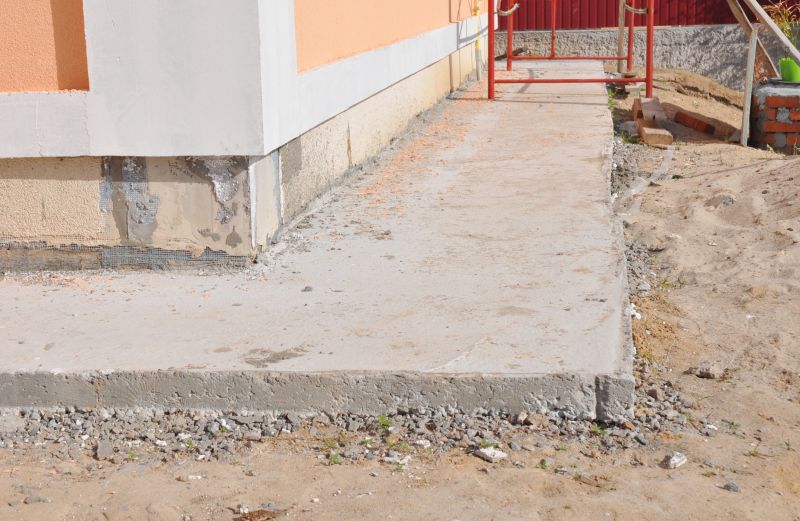
Springtime is ideal for foundation repairs due to manageable moisture levels and moderate temperatures.
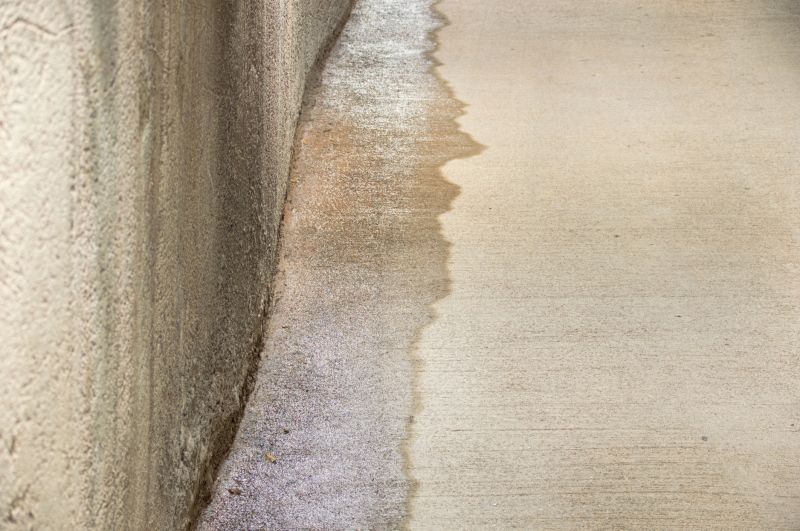
Warm, dry summer conditions facilitate efficient foundation repairs and curing processes.
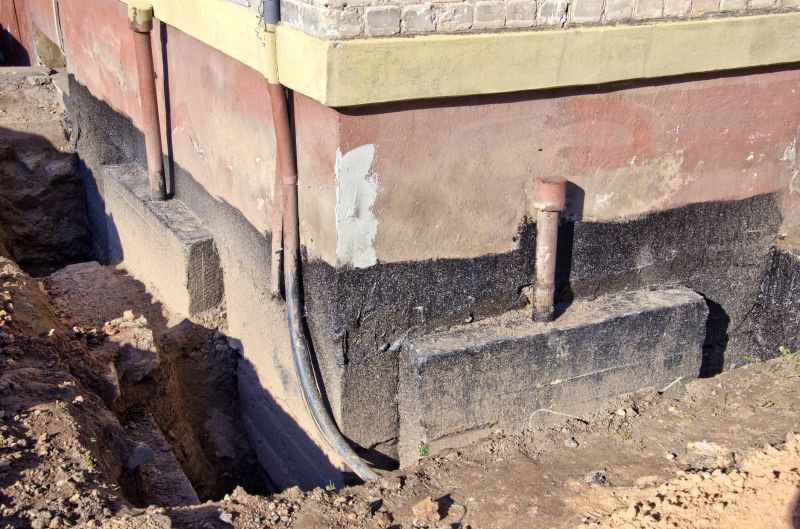
Fall's cooler weather and reduced rain make it a good time for foundation work before winter sets in.
Ways to make Foundation Repairs work in tight or awkward layouts.
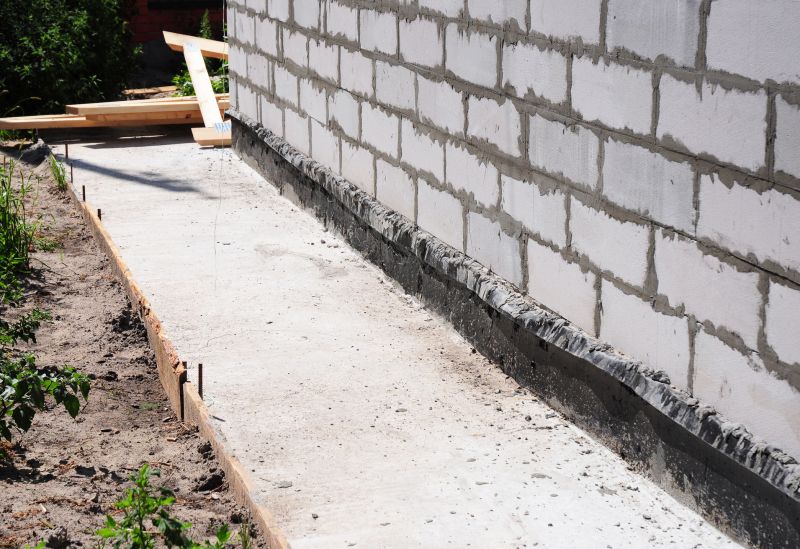
Popular materials for Foundation Repairs and why they hold up over time.
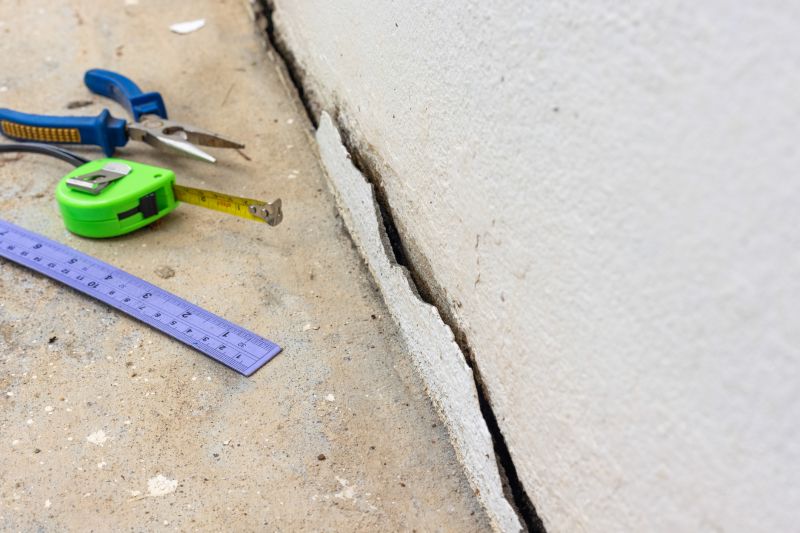
Simple add-ons that improve Foundation Repairs without blowing the budget.
Foundation repairs involve addressing issues such as settling, cracking, or shifting of the building's base. These issues can lead to structural damage, uneven floors, and misaligned doors and windows. Timely repairs help prevent further deterioration and costly repairs in the future. Factors influencing the timing include soil moisture levels, temperature fluctuations, and the type of foundation material used. Proper planning ensures that repairs are durable and effective, reducing the risk of recurring issues.
| Season | Advantages |
|---|---|
| Spring | Moderate temperatures and manageable moisture levels. |
| Summer | Optimal conditions for curing and concrete work. |
| Fall | Cooler weather with less rain, suitable for repairs. |
| Winter | Not recommended due to freezing temperatures and snow. |
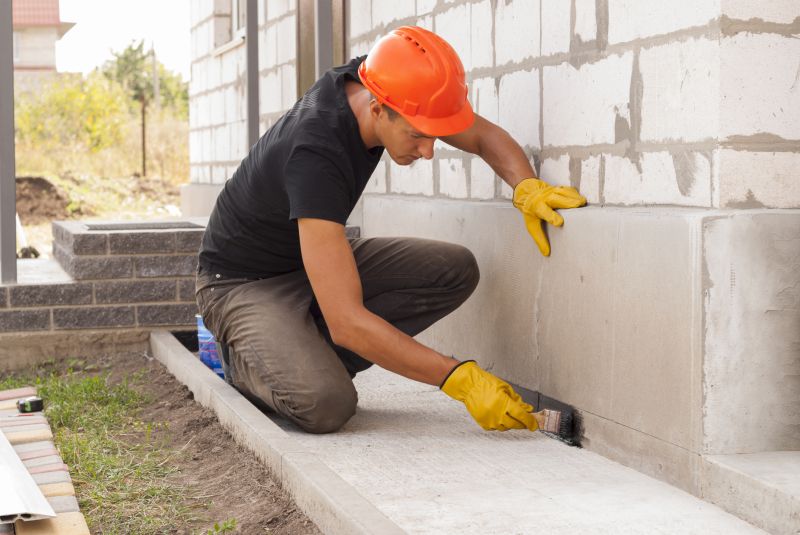
Workers stabilize and reinforce the foundation to prevent further settling or cracking.
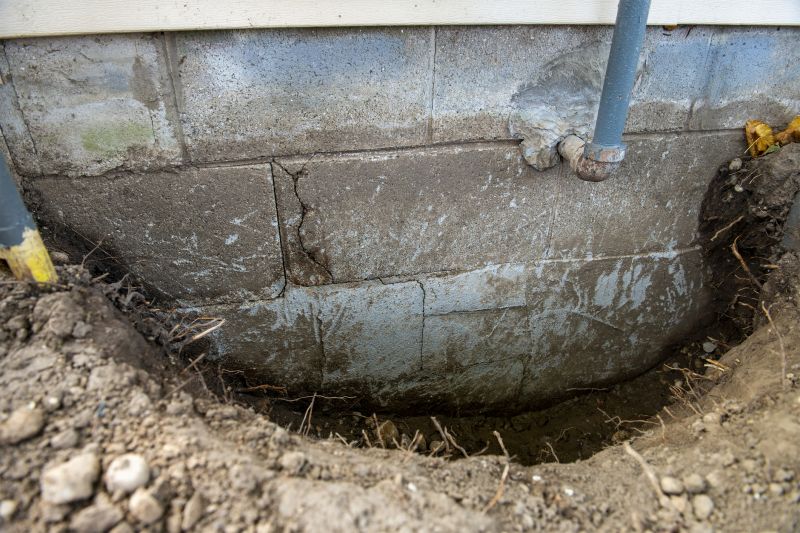
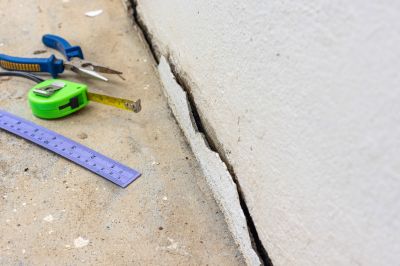
Cracks can indicate underlying issues requiring timely repair to avoid structural damage.
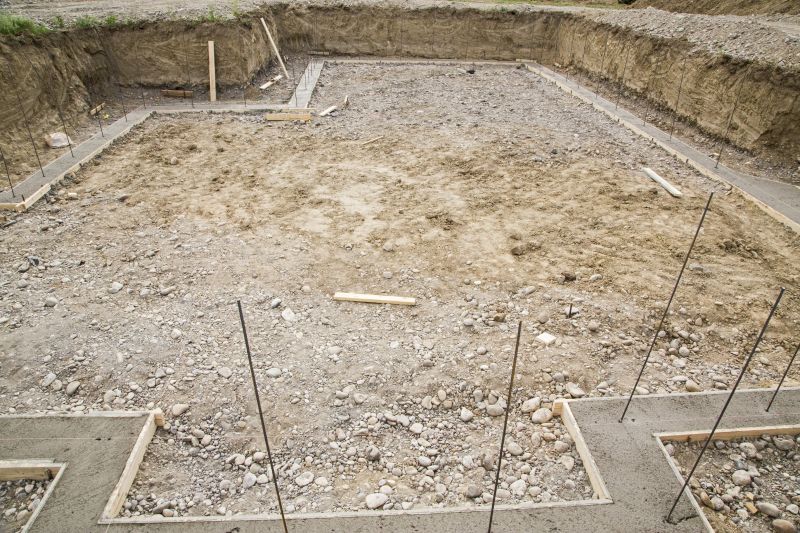
Excavation allows access to damaged areas for effective repair and reinforcement.
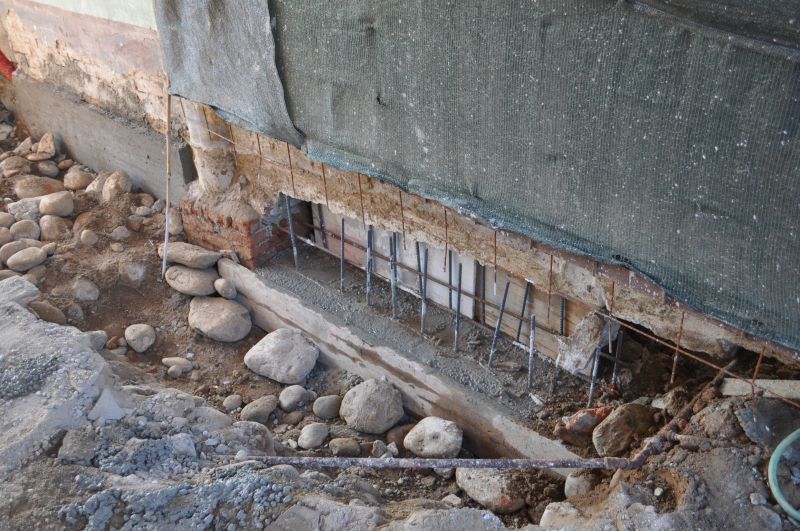
Reinforcement methods include piering, underpinning, or slab jacking to restore stability.
Timely foundation repairs are crucial to maintaining the structural integrity of a building. Delaying repairs can lead to increased costs and more extensive damage. Understanding the best time for repairs ensures that work is performed under optimal conditions, leading to longer-lasting results. Consulting with foundation specialists can help determine the most suitable timing based on local climate and soil conditions.
Interested in foundation repair services? Fill out the contact form to receive expert assistance tailored to specific needs.